11 Quick Steps to Effectively Reduce Stress in Your Daily Life
In today’s busy world, stress often feels like an unavoidable part of life. From tight work deadlines to personal challenges, everyone deals with stress in different ways. While it’s impossible to eliminate stress completely, you can take practical steps to reduce it significantly. This post outlines 11 quick steps to help you manage stress and enhance your daily life. Let’s dive in!
Step 1: Practice Deep Breathing
Deep breathing is one of the simplest and most effective ways to reduce stress. When you take deep breaths, you engage your diaphragm and allow your lungs to fill with air, which calms your nervous system. For instance, try inhaling deeply through your nose for a count of four, hold your breath for another four counts, and then exhale slowly through your mouth.
By repeating this cycle for five minutes, you might notice a drop in stress levels. Regular practice can enhance your focus and make you feel more grounded.
Step 2: Engage in Physical Activity
Exercise is not just good for your body; it’s also a powerful stress reliever. Activities like running, swimming, or even gardening can boost endorphins, your body's natural mood boosters. Aim for at least 30 minutes of physical activity five times a week. Research shows that regular exercise can reduce anxiety symptoms by up to 20%.
Including different forms of exercise can keep things interesting. For example, if you enjoy social interaction, consider joining a local sports club or attending a group fitness class.
Step 3: Stay Connected
Talk to friends or family members when you're feeling stressed. Whether in-person, over the phone, or through video chats, these conversations can provide emotional support and different perspectives on your worries. Studies indicate that strong social connections can lower stress levels by as much as 50%.
Make it a point to schedule regular catch-ups, whether it's a weekly coffee break or a family dinner. Building these relationships gives you a safety net when times get tough.
Step 4: Establish a Routine
Creating a daily routine can bring structure to your life and help reduce stress levels. By allocating specific times for work, family obligations, and personal interests, you can manage your time more effectively. For example, if you find mornings rushed, you could dedicate 15 minutes the night before to organize your tasks for the next day.
A solid routine can help prevent feelings of overwhelm and keep you on track with your daily goals.
Step 5: Limit Screen Time
Spending too much time on screens—be it phones, tablets, or computers—can increase stress and anxiety. Try limiting your screen time to two hours a day. During this time, be mindful of the content you engage with. Instead of scrolling through social media, consider reading a book or practicing a hobby.
By reducing your screen time, you allow for more relaxation and can discover joy in activities like painting or hiking.

Step 6: Practice Mindfulness or Meditation
Mindfulness and meditation are excellent tools to help you focus on the present, which minimizes stress. Just a few minutes each day can create a significant impact. For example, consider starting your day with a 5-minute guided meditation using an app. Gradually increase to 10-15 minutes as you become more comfortable.
These practices not only help in calming your mind but can also enhance your emotional resilience and improve your overall well-being.
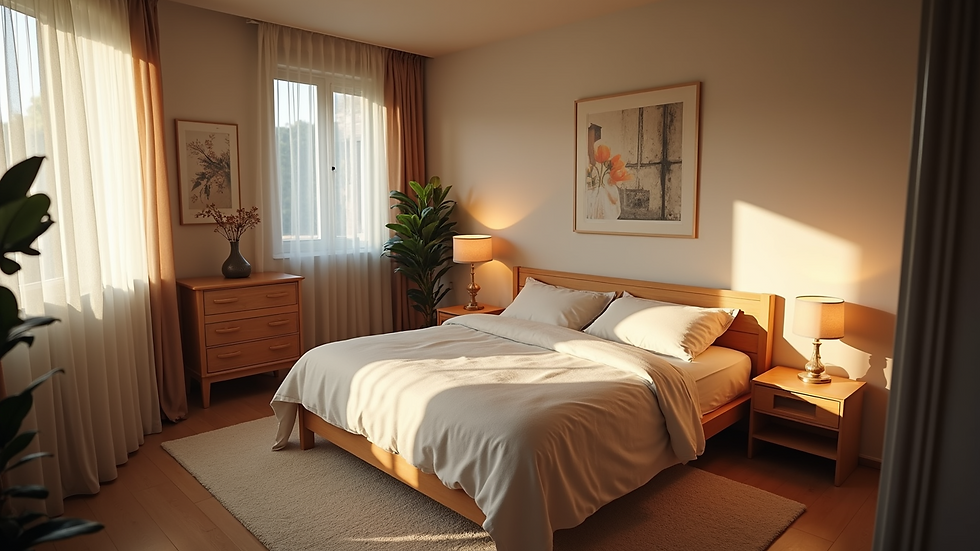
Step 7: Create a Relaxing Environment
Your living space plays a crucial role in how you feel. Take small steps to make your environment more relaxing. Decluttering your space, using essential oils, or adding some greenery can create a peaceful atmosphere. For instance, placing a few plants in your room can reduce feelings of stress by up to 30%.
A calming environment fosters tranquility and allows you to focus better, whether it’s on work tasks or personal interests.
Step 8: Prioritize Sleep
Getting enough quality sleep is vital for managing stress. Aim for 7-9 hours of sleep each night. Establish a bedtime routine, such as dimming the lights and turning off screens an hour before bed. This signals your body that it's time to unwind.
Quality sleep not only restores your body but also equips you with the mental clarity needed to tackle daily challenges.
Step 9: Embrace Nature
Spending time outdoors is a great way to relieve stress. Research shows that even a short 20-minute walk in a park can boost your mood and lower anxiety levels. Activities like hiking, birdwatching, or simply sitting under a tree can help you feel more connected and rejuvenated.
Being in nature allows you to step away from daily stressors and rediscover a sense of peace.
Step 10: Manage Your Time Wisely
Procrastination can pile on stress as tasks accumulate. To manage your time better, use methods like to-do lists or digital planners. Break your tasks into smaller, achievable steps. This not only makes tasks feel more manageable but can also give you a sense of accomplishment as you check items off your list.
Effective time management reduces self-imposed pressure and leads to a more balanced lifestyle.
Step 11: Seek Professional Help
When stress feels overwhelming, seeking help is a strong and positive step. Mental health professionals can provide you with personalized strategies to cope better. It's important to remember that more than 60% of people experience stress-related issues at some point.
Don’t hesitate to reach out; professional support can offer a fresh perspective and provide valuable coping mechanisms.
Moving Toward a More Relaxed Life
Reducing stress is essential for a healthier, happier life. By applying these 11 steps into your daily routine, you can cultivate a more balanced existence. Remember, developing habits takes time and effort, so be patient with yourself. Even small changes can lead to significant improvements in your stress levels and overall well-being. Start today and take the first step towards a more relaxed life!

Comments